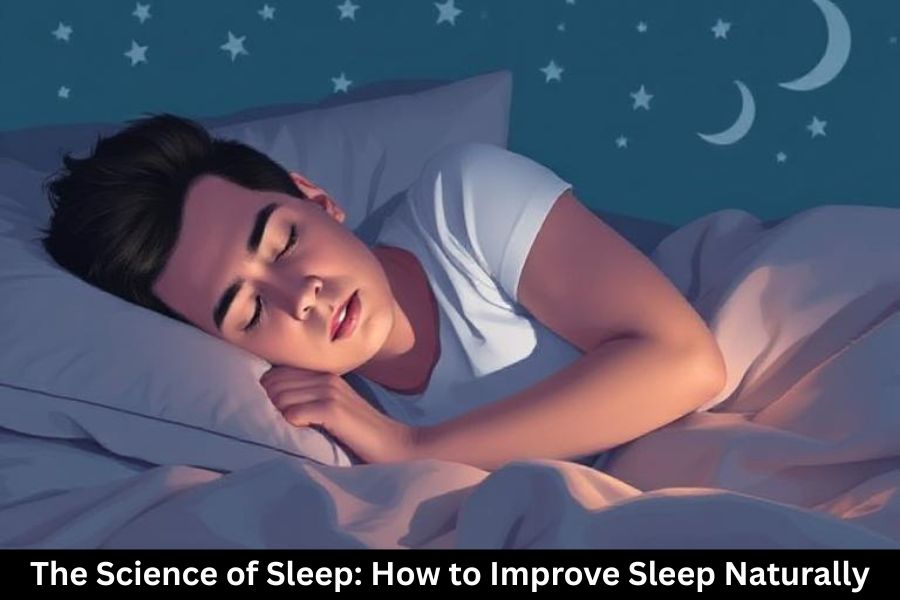
Let’s be honest. When life gets busy, sleep is usually the first thing we sacrifice.
“One more episode.”
“One more email.”
“One more scroll.”
But here’s the truth: sleep isn’t a luxury. It’s biological maintenance. It’s your body’s nightly repair shop, your brain’s reset button, your emotional stabilizer.
If you’ve been waking up tired, foggy, or irritable, your body might be waving a white flag.
Let’s break down the science of sleep — and more importantly, how to improve sleep naturally.
Why Sleep Is More Important Than You Think
Sleep is not just about feeling rested. It’s about survival.
Sleep and Brain Function
While you sleep, your brain cleans itself. Literally.
It clears metabolic waste, strengthens memories, and reorganizes information. Think of it like decluttering your mental desktop every night.
Without enough sleep? That clutter builds up.
Sleep and Physical Health
Sleep supports immune function, hormone regulation, and muscle recovery.
Chronic sleep deprivation is linked to heart disease, obesity, and diabetes.
Skipping sleep is like skipping oil changes for your car. It works — until it doesn’t.
The Link Between Sleep and Longevity
Consistently good sleep is associated with longer lifespan and reduced chronic disease risk.
In simple terms: better sleep, better life.
Understanding the Sleep Cycle
Sleep isn’t just “on” or “off.” It’s structured.
The Four Stages of Sleep
- Light sleep
- Deeper sleep
- Deep slow-wave sleep
- REM (Rapid Eye Movement) sleep
Each cycle lasts about 90 minutes and repeats several times per night.
REM vs. Non-REM Sleep
Non-REM restores the body.
REM restores the brain.
You need both. It’s teamwork.
Why Deep Sleep Matters
Deep sleep is when your body repairs tissue, builds muscle, and strengthens immunity.
If you’re not getting enough deep sleep, you’ll feel it.
The Role of Circadian Rhythm
Your body runs on a clock — whether you respect it or not.
Your Internal Body Clock
Your circadian rhythm regulates when you feel awake and when you feel sleepy.
It responds strongly to light and darkness.
How Light Influences Sleep
Morning sunlight tells your brain, “Wake up.”
Evening darkness tells it, “Wind down.”
Artificial light at night confuses that signal.
Common Causes of Poor Sleep
Sometimes the problem isn’t sleep itself — it’s your habits.
Stress and Overthinking
Racing thoughts are sleep’s worst enemy.
Your body might be in bed, but your brain is still in the office.
Screen Time and Blue Light
Phones emit blue light, which suppresses melatonin.
Scrolling at midnight is like telling your brain it’s noon.
Caffeine and Diet Habits
Caffeine has a half-life of several hours.
That afternoon coffee? It might still be active at bedtime.
Signs You’re Not Getting Quality Sleep
Even if you’re in bed for 8 hours, quality matters.
Daytime Fatigue
If you need multiple alarms, something’s off.
Mood Swings and Irritability
Sleep stabilizes emotional regulation.
Less sleep equals shorter patience.
Brain Fog and Low Focus
Struggling to concentrate? Sleep debt could be the culprit.
The Science Behind Natural Sleep Improvement
Your body already knows how to sleep. You just need to support it.
Melatonin and Hormonal Balance
Melatonin rises in darkness and signals sleep.
Light, stress, and irregular schedules disrupt it.
The Role of Adenosine
Adenosine builds up throughout the day, creating sleep pressure.
Caffeine blocks it temporarily — but it doesn’t erase it.
Natural Ways to Improve Sleep
No pills required.
Consistent Sleep Schedule
Go to bed and wake up at the same time daily.
Your brain loves predictability.
Morning Sunlight Exposure
10–20 minutes of sunlight in the morning helps anchor your circadian rhythm.
It’s free and powerful.
Creating a Bedtime Routine
Wind-down activities signal safety and calm.
Reading. Stretching. Soft music.
Routine trains your brain to associate certain actions with sleep.
Nutrition for Better Sleep
What you eat matters.
Foods That Promote Sleep
- Magnesium-rich foods
- Tart cherries
- Bananas
- Almonds
These support relaxation.
What to Avoid Before Bed
Heavy meals. Spicy foods. Excess sugar.
And yes — late caffeine.
Exercise and Sleep Quality
Movement improves sleep — but timing matters.
Best Time to Exercise
Morning or early afternoon works best for many people.
Late-night intense workouts may delay sleep.
Movement and Deep Sleep
Regular exercise increases deep sleep percentage.
Think of it as earning your rest.
Managing Stress for Restful Nights
You can’t force sleep. But you can remove barriers.
Breathing Techniques
Slow breathing activates your parasympathetic nervous system — your “rest mode.”
Try inhaling for 4 seconds, exhaling for 6.
Meditation and Mindfulness
Calming the mind reduces sleep latency.
Even 5 minutes helps.
Journaling to Clear the Mind
Write down tomorrow’s to-do list before bed.
Unload your brain onto paper.
Optimizing Your Sleep Environment
Your bedroom should support sleep, not sabotage it.
Temperature and Darkness
Cool rooms (around 60–67°F or 16–19°C) promote better sleep.
Darkness increases melatonin production.
Mattress and Pillow Support
Comfort matters.
If you wake up sore, your setup might need upgrading.
Naps – Helpful or Harmful?
It depends.
Power Naps Explained
20-minute naps can boost energy without disrupting nighttime sleep.
When to Avoid Napping
Long or late naps can interfere with bedtime.
Keep them short and early.
Supplements and Natural Remedies
Use wisely.
Magnesium and Melatonin
Magnesium supports relaxation.
Melatonin can help short-term — but isn’t a long-term solution.
Herbal Teas and Natural Aids
Chamomile and valerian root may support relaxation.
Consistency beats quick fixes.
Building a Long-Term Sleep Strategy
Sleep improvement isn’t overnight.
Tracking Sleep Patterns
Notice trends. Adjust habits accordingly.
Adjusting Habits Over Time
Experiment. Fine-tune. Stay consistent.
Small changes compound.
Conclusion
Sleep isn’t passive. It’s active restoration.
If you’ve been treating sleep like an optional luxury, it’s time to shift that mindset.
You don’t need complicated gadgets or extreme hacks. You need rhythm, light management, stress reduction, and consistency.
Think of sleep as your body’s nightly investment in tomorrow.
Protect it.
FAQs
1. How many hours of sleep do adults need?
Most adults function best with 7–9 hours per night.
2. Can I “catch up” on lost sleep?
You can partially recover, but chronic deprivation has cumulative effects.
3. Is melatonin safe long-term?
Short-term use is common, but long-term reliance isn’t ideal without guidance.
4. Does alcohol help with sleep?
It may make you drowsy, but it disrupts REM sleep quality.
5. What’s the fastest natural way to improve sleep?
Morning sunlight exposure and a consistent bedtime are two of the most effective strategies.