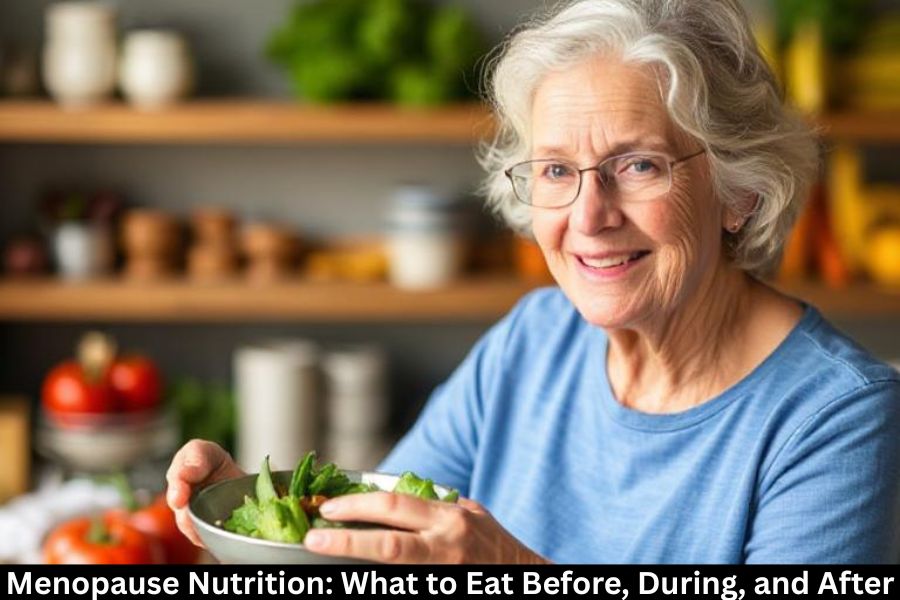
Menopause isn’t just a milestone—it’s a major metabolic shift. Your hormones change, your body responds, and suddenly the foods you used to eat without thinking start reacting differently. Sound familiar?
Here’s the good news: the right nutrition can make this transition smoother, calmer, and healthier. Think of food as your personal thermostat, bone builder, and mood stabilizer—all rolled into one.
Let’s break it down step by step.
Understanding Menopause and Its Nutritional Impact
What Happens to Your Body During Menopause?
Menopause officially begins after 12 months without a period. But the transition—perimenopause—can start years earlier.
Estrogen levels drop. Progesterone fluctuates. Metabolism slows down. Muscle mass decreases. Bone density weakens.
It’s like your internal engine is being rewired.
Why Nutrition Matters More Than Ever
When hormones shift, your risk for certain conditions rises:
- Osteoporosis
- Heart disease
- Weight gain
- Insulin resistance
- Mood swings
The right foods don’t just fill you up—they help stabilize blood sugar, protect your heart, strengthen bones, and support mental clarity.
Pre-Menopause Nutrition (Perimenopause Phase)
Balancing Hormones with Smart Food Choices
Perimenopause is unpredictable. One day you’re fine. The next? Hot flashes and cravings.
Food can help regulate those swings.
Phytoestrogen-Rich Foods
Phytoestrogens are plant compounds that mimic weak estrogen in the body. They gently cushion the hormonal drop.
Include:
- Flaxseeds
- Soy (tofu, tempeh, edamame)
- Chickpeas
- Lentils
Think of them as nature’s soft landing.
Healthy Fats for Hormonal Support
Hormones are made from fat. Low-fat diets can actually worsen symptoms.
Add:
- Avocados
- Olive oil
- Walnuts
- Chia seeds
- Fatty fish like salmon
These support hormone production and reduce inflammation.
Preventing Early Weight Gain
During perimenopause, muscle mass declines. Less muscle means slower metabolism.
Focus on:
- 20–30g protein per meal
- Resistance training
- Fiber-rich vegetables
Protein is your metabolism’s best friend.
Nutrition During Menopause
Managing Hot Flashes Through Diet
Spicy foods, caffeine, and alcohol can trigger hot flashes. If you notice flare-ups, track what you eat.
Cooling foods help:
- Cucumber
- Leafy greens
- Watermelon
- Herbal teas
Hydration is crucial. Dehydration can worsen symptoms.
Supporting Bone Health
Estrogen protects bones. When it drops, bone loss speeds up.
Calcium-Rich Foods
Aim for 1,200 mg daily.
Best sources:
- Greek yogurt
- Sardines
- Kale
- Almonds
- Fortified plant milk
Vitamin D Sources
Without vitamin D, calcium can’t do its job.
Get it from:
- Sunlight
- Fatty fish
- Egg yolks
- Fortified foods
Bone health is like building a house—you need both bricks (calcium) and mortar (vitamin D).
Protein for Muscle Maintenance
After 50, muscle loss accelerates.
Include:
- Eggs
- Chicken
- Fish
- Beans
- Cottage cheese
Strong muscles protect joints, improve metabolism, and reduce fall risk.
Gut Health and Digestion
Hormonal shifts affect digestion.
Eat:
- Fermented foods (kimchi, yogurt)
- High-fiber veggies
- Whole grains
A healthy gut supports immune and mental health too.
Post-Menopause Nutrition
Protecting Heart Health
After menopause, heart disease risk increases.
Focus on:
- Omega-3 fats
- Whole grains
- Leafy greens
- Berries
Limit saturated fats and processed meats.
Your heart deserves attention now more than ever.
Maintaining a Healthy Metabolism
Metabolism slows naturally.
Boost it with:
- Strength training
- Adequate protein
- Green tea
- Balanced meals (protein + fiber + healthy fat)
Crash diets? They backfire.
Brain Health and Cognitive Function
Brain fog is real.
Support cognitive health with:
- Blueberries
- Dark chocolate (70%+)
- Walnuts
- Turmeric
- Fatty fish
Your brain thrives on antioxidants and healthy fats.
Foods to Avoid During and After Menopause
Sugar and Refined Carbs
They spike insulin, worsen belly fat, and increase inflammation.
Cut back on:
- White bread
- Pastries
- Sugary drinks
Excess Caffeine and Alcohol
Both can:
- Trigger hot flashes
- Disrupt sleep
- Increase anxiety
Moderation is key.
High-Sodium Processed Foods
Too much sodium raises blood pressure and bloating.
Choose fresh, whole foods instead.
Sample Menopause-Friendly Meal Plan
Breakfast Ideas
- Greek yogurt + berries + flaxseed
- Oatmeal with almonds and chia
- Scrambled eggs with spinach
Lunch Options
- Grilled salmon salad
- Quinoa bowl with chickpeas
- Lentil soup with leafy greens
Dinner Recipes
- Baked chicken with roasted vegetables
- Stir-fried tofu with broccoli
- Grilled mackerel with sweet potato
Healthy Snacks
- Apple slices + almond butter
- Cottage cheese
- Mixed nuts
- Carrot sticks + hummus
Simple. Balanced. Effective.
Supplements to Consider
When Food Isn’t Enough
You may consider:
- Calcium
- Vitamin D
- Magnesium
- Omega-3
- B-complex
But supplements aren’t magic pills. Food first.
Talking to Your Healthcare Provider
Always test levels before supplementing. Personalized advice matters.
Lifestyle Habits That Complement Good Nutrition
Exercise and Strength Training
Lift weights 2–3 times weekly. Muscle is metabolic gold.
Stress Management
Chronic stress raises cortisol, which increases belly fat.
Try:
- Meditation
- Yoga
- Deep breathing
Sleep Optimization
Poor sleep worsens cravings and hot flashes.
Aim for 7–8 hours nightly.
Conclusion
Menopause isn’t the end of vitality—it’s a new chapter. With the right nutrition, you can reduce symptoms, protect your bones, strengthen your heart, and maintain energy.
Food becomes more than fuel. It becomes strategy.
Small changes. Consistent habits. Big results.
You’re not losing control—you’re gaining wisdom.
FAQs
1. What is the best diet for menopause?
A balanced diet rich in protein, healthy fats, fiber, calcium, and omega-3s works best. Focus on whole foods and limit processed items.
2. Can certain foods reduce hot flashes?
Yes. Cooling foods, soy products, and flaxseed may help, while caffeine and spicy foods may trigger symptoms.
3. How much protein do women need during menopause?
Most women benefit from 1.0–1.2 grams of protein per kilogram of body weight daily.
4. Is weight gain inevitable during menopause?
No. With strength training, balanced nutrition, and portion awareness, weight can be managed effectively.
5. Should I take supplements during menopause?
Only if needed. Test nutrient levels first and consult a healthcare provider.