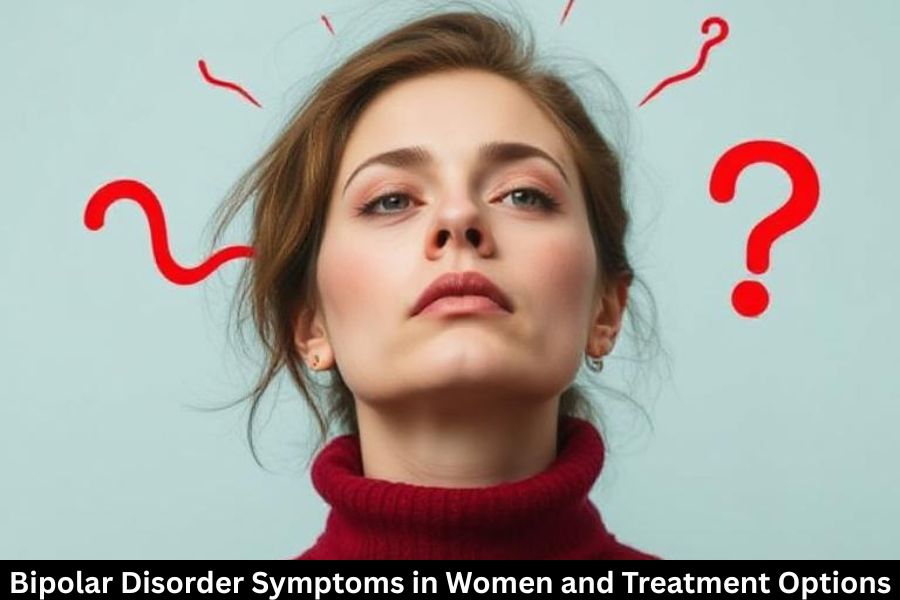
Bipolar disorder isn’t just “mood swings.” It’s a complex mental health condition marked by intense emotional highs and lows that can feel like riding a rollercoaster without a seatbelt. One moment, energy is sky-high, sleep feels optional, and ideas flow like fireworks. Another moment, even getting out of bed feels like dragging a mountain behind you.
Clinically speaking, bipolar disorder involves episodes of mania, hypomania, and depression. These shifts affect mood, energy, thinking, behavior, and even physical functioning. According to the World Health Organization, bipolar disorder is one of the leading causes of disability worldwide. That’s not a small statistic — it’s a reminder that this condition is real, common, and manageable with the right care.
Types of Bipolar Disorder
Bipolar I Disorder
This type involves at least one manic episode that lasts a week or requires hospitalization. Depression often follows, but mania is the defining feature.
Bipolar II Disorder
Here, individuals experience hypomania (a milder form of mania) along with major depressive episodes. Hypomania may feel productive or even pleasant, which sometimes delays diagnosis.
Cyclothymic Disorder
Think of this as a chronic pattern of mood fluctuations — not as extreme as full mania or depression, but persistent enough to disrupt daily life.
Mental health professionals use guidelines from the Diagnostic and Statistical Manual of Mental Disorders, Fifth Edition to make accurate diagnoses.
Why Bipolar Disorder Looks Different in Women
The Role of Hormones
Hormones are like the background music of the body — you may not always notice them, but they shape the emotional tone. Fluctuations in estrogen and progesterone can influence neurotransmitters like serotonin and dopamine, which regulate mood.
This means bipolar symptoms in women can intensify during:
- Menstrual cycles
- Pregnancy
- Postpartum period
- Perimenopause
Ever noticed emotions feeling louder before a period? Now imagine that effect amplified by a mood disorder.
Social and Lifestyle Influences
Women often juggle multiple roles — professional, caregiver, partner, parent. Stress, sleep deprivation, and emotional labor can trigger episodes or worsen symptoms.
Common Bipolar Disorder Symptoms in Women
Symptoms of Mania
Mania can feel like being plugged into a power socket:
- Excessive energy
- Reduced need for sleep
- Racing thoughts
- Impulsive decisions
- Increased talkativeness
- Grandiosity
At first glance, it may resemble confidence or productivity. But soon, it spirals — overspending, risky behaviors, strained relationships.
Symptoms of Hypomania
Hypomania is mania’s quieter cousin:
- Elevated mood
- Increased creativity
- High productivity
- Less sleep
It might feel amazing — like a mental superpower. The danger? It often precedes a depressive crash.
Symptoms of Depression
Depression is the opposite pole:
- Persistent sadness
- Fatigue
- Sleep disturbances
- Loss of interest
- Feelings of worthlessness
- Suicidal thoughts
It’s not laziness. It’s like trying to function with emotional gravity pulling you down.
Unique Bipolar Symptoms More Frequently Seen in Women
Rapid Cycling
Women are more likely to experience rapid cycling, defined as four or more mood episodes in a year. Imagine emotional seasons changing every few weeks.
Mixed Episodes
Mixed episodes combine mania and depression — high energy paired with despair. It’s one of the most distressing states.
Increased Anxiety and Irritability
Anxiety disorders commonly coexist. Irritability may overshadow euphoria, leading to misdiagnosis.
Bipolar Disorder and Hormonal Milestones
Premenstrual Period
Some women report worsening symptoms before menstruation — mood instability, irritability, depressive dips.
Pregnancy
Pregnancy can stabilize mood for some, destabilize for others. Medication adjustments become critical.
Postpartum Period
A high-risk window. Sleep deprivation plus hormonal shifts can trigger mania or depression.
Perimenopause and Menopause
Declining estrogen may worsen mood symptoms or trigger new episodes.
Challenges in Diagnosing Bipolar Disorder in Women
Misdiagnosis as Depression or Anxiety
Many women seek help during depressive episodes. Without a clear history of hypomania, bipolar disorder may be mistaken for:
- Major depressive disorder
- Generalized anxiety disorder
Antidepressants alone can sometimes worsen bipolar symptoms — like pressing the gas pedal when brakes are needed.
Stigma and Delayed Help-Seeking
Fear of labels, societal expectations, and self-doubt often delay treatment.
Treatment Options for Bipolar Disorder in Women
Medication Management
Medications form the foundation of treatment:
- Mood stabilizers
- Atypical antipsychotics
- Sometimes antidepressants (carefully monitored)
The goal isn’t to “numb” emotions — it’s to smooth dangerous extremes.
Close monitoring is essential, especially during hormonal transitions.
For evidence-based guidance, resources from the National Institute of Mental Health offer valuable insights.
Psychotherapy
Therapy is where understanding meets strategy:
- Cognitive Behavioral Therapy (CBT)
- Interpersonal Therapy
- Family-Focused Therapy
It helps identify triggers, reshape thinking patterns, and build coping tools.
Lifestyle and Self-Care Strategies
Medication + therapy work best when paired with:
- Consistent sleep schedule
- Stress management
- Regular exercise
- Balanced nutrition
Think of it as maintaining emotional “blood sugar.”
Special Considerations for Women
Treatment During Pregnancy
A delicate balance between maternal stability and fetal safety. Decisions must be personalized.
Untreated bipolar disorder carries risks too — relapse, poor sleep, stress.
Medication and Breastfeeding
Some medications pass into breast milk. Risk-benefit discussions with a psychiatrist are crucial.
Coping Strategies and Daily Management
Building a Support System
No one should manage bipolar disorder alone.
Support may include:
- Family
- Friends
- Therapists
- Support groups
Tracking Mood Changes
Mood tracking apps or journals can reveal patterns:
- Sleep changes
- Energy shifts
- Early warning signs
Catching episodes early is like spotting storm clouds before a downpour.
When to Seek Professional Help
Seek help if you notice:
- Severe mood swings
- Risky behaviors
- Persistent depression
- Thoughts of self-harm
Early treatment improves outcomes dramatically.
Conclusion
Bipolar disorder in women is shaped by biology, psychology, and life circumstances. It can be unpredictable, overwhelming, and exhausting — but it is treatable. With the right combination of medication, therapy, lifestyle adjustments, and support, stability isn’t just possible — it’s realistic.
If your emotions feel like they’re running the show, remember: you’re not broken, and you’re not alone. Help exists, and healing is absolutely within reach.
FAQs
1. Are bipolar symptoms worse in women than men?
Not necessarily worse, but often different. Women are more prone to rapid cycling, depressive episodes, and mood shifts linked to hormonal changes.
2. Can pregnancy trigger bipolar disorder?
Pregnancy itself doesn’t cause bipolar disorder, but hormonal shifts can trigger episodes in those already vulnerable.
3. How is bipolar disorder diagnosed?
Through clinical evaluation, mood history, and diagnostic criteria assessing mania, hypomania, and depression patterns.
4. Can bipolar disorder be cured?
There’s no permanent cure, but it can be effectively managed with long-term treatment.
5. What lifestyle habits help stabilize mood?
Regular sleep, stress reduction, exercise, medication adherence, and avoiding alcohol/drugs.