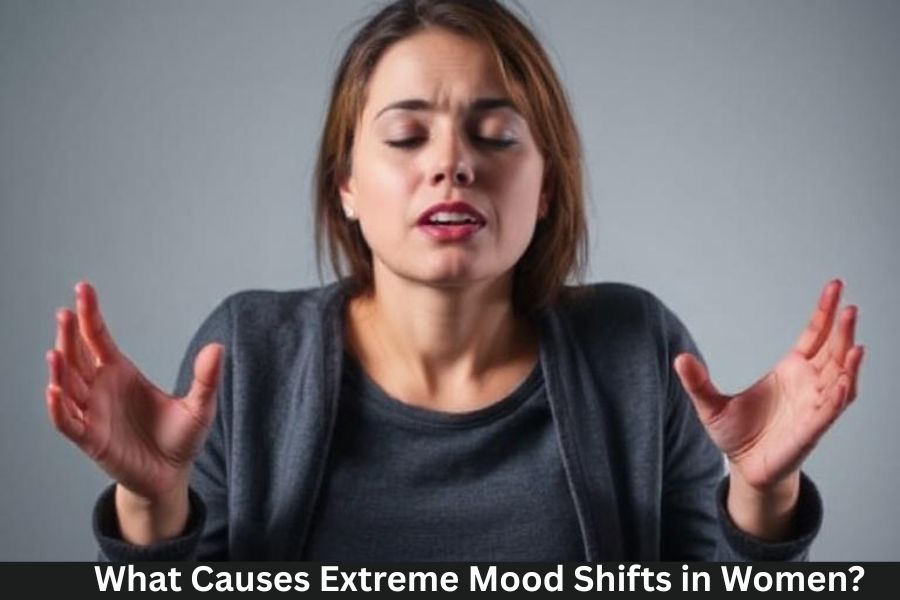
Ever felt like your emotions suddenly flipped a switch — calm one moment, overwhelmed the next? You’re not imagining things. Extreme mood shifts in women are real, common, and often misunderstood.
Let’s talk honestly. Everyone experiences mood changes. That’s part of being human. But when those shifts become intense, unpredictable, or disruptive, it’s worth asking: What’s really going on?
Understanding Mood Shifts
Normal Emotional Changes vs. Extreme Mood Swings
Mood variations are like weather patterns. Some days are sunny, others cloudy. Perfectly normal.
Extreme mood shifts, however, feel more like emotional thunderstorms:
- Sudden irritability
- Intense sadness
- Anxiety spikes
- Anger outbursts
- Emotional numbness
The difference? Intensity, duration, and impact. If emotions start hijacking your day, relationships, or work, something deeper may be at play.
When Mood Shifts Become a Concern
Ask yourself:
- Do my moods change drastically without clear reason?
- Do these shifts affect my sleep or productivity?
- Do I feel “out of control”?
If yes, your body or mind may be signaling for attention.
Hormonal Triggers Behind Mood Changes
Hormones are powerful. They’re like invisible conductors directing the orchestra of emotions.
Menstrual Cycle and PMS
Before menstruation, estrogen and progesterone fluctuate. For many women, this leads to:
- Irritability
- Tearfulness
- Fatigue
- Sensitivity
This is Premenstrual Syndrome (PMS) — uncomfortable but manageable for most.
PMDD (Premenstrual Dysphoric Disorder)
PMDD is PMS turned up to maximum volume.
Symptoms may include:
- Severe mood swings
- Depression
- Rage or anger
- Anxiety
- Feeling hopeless
According to the American Psychiatric Association, PMDD is a recognized medical condition, not “overreacting.”
Pregnancy-Related Mood Changes
Pregnancy floods the body with hormones. Emotional responses can intensify:
- Heightened sensitivity
- Anxiety
- Sudden crying spells
It’s like your emotional dial gets extra sensitive.
Postpartum Hormonal Crash
After childbirth, hormone levels drop dramatically. This can trigger:
- Baby blues
- Postpartum depression
- Severe mood instability
Sleep deprivation only adds fuel to the fire.
Perimenopause and Menopause
As estrogen declines:
- Mood swings increase
- Anxiety may worsen
- Irritability becomes common
Many women say, “I don’t feel like myself.” That’s hormonal transition in action.
Mental Health Conditions Linked to Mood Swings
Sometimes mood shifts aren’t just hormonal — they’re psychological.
Depression
Depression isn’t always constant sadness. It can appear as:
- Irritability
- Emotional emptiness
- Fatigue
- Loss of interest
Anxiety Disorders
Anxiety can create emotional volatility:
- Restlessness
- Panic
- Overthinking
- Sudden frustration
Bipolar Disorder
Bipolar disorder involves cycles of:
- Emotional highs (mania/hypomania)
- Emotional lows (depression)
Women often experience more depressive episodes and rapid cycling.
Borderline Personality Disorder (BPD)
BPD is marked by:
- Intense emotional reactions
- Fear of abandonment
- Rapid mood changes
- Relationship instability
Mood shifts here are often triggered by interpersonal stress.
Lifestyle Factors That Intensify Mood Swings
Your daily habits quietly shape emotional stability.
Sleep Deprivation
Poor sleep = emotional chaos.
Even one bad night can cause:
- Irritability
- Low frustration tolerance
- Anxiety
Chronic sleep loss magnifies mood instability.
Chronic Stress
Stress keeps cortisol elevated. Over time:
- Patience shrinks
- Anxiety grows
- Mood becomes reactive
Living in constant “fight or flight” is exhausting.
Poor Diet and Blood Sugar Imbalance
Skipping meals or eating excess sugar can cause:
- Energy crashes
- Irritability
- Brain fog
Think of blood sugar like fuel — unstable supply, unstable mood.
Lack of Physical Activity
Exercise regulates mood chemicals like serotonin and dopamine. Without it:
- Stress tolerance drops
- Anxiety rises
Medical Conditions That Affect Mood
Sometimes the cause is physical.
Thyroid Disorders
The thyroid controls metabolism and energy.
Imbalances may cause:
- Anxiety
- Depression
- Irritability
- Fatigue
The World Health Organization highlights thyroid disease as a common but underdiagnosed issue.
PCOS (Polycystic Ovary Syndrome)
PCOS affects hormones and may contribute to:
- Mood swings
- Anxiety
- Depression
Vitamin Deficiencies
Low levels of:
- Vitamin D
- B12
- Iron
…can mimic or worsen mood symptoms.
Emotional and Social Influences
Life circumstances matter. A lot.
Relationship Stress
Conflict, breakups, emotional neglect — all powerful mood disruptors.
Work Pressure
Deadlines, burnout, toxic workplaces — emotional strain adds up.
Caregiver Burnout
Balancing caregiving with everything else can lead to:
- Emotional exhaustion
- Irritability
- Sudden mood dips
How to Manage Extreme Mood Shifts
Good news: mood instability is manageable.
Tracking Triggers
Mood journaling helps identify patterns:
- Cycle-related shifts
- Sleep correlation
- Stress triggers
Awareness = control.
Professional Treatment Options
Depending on the cause:
- Therapy
- Medication
- Hormonal treatment
- Nutritional correction
Lifestyle Adjustments
Small daily habits make a huge difference:
- Regular sleep schedule
- Balanced meals
- Stress management
- Exercise
Consistency stabilizes emotions like an anchor steadies a boat.
When to Seek Help
Seek professional support if:
- Mood swings feel extreme
- Episodes interfere with life
- You feel hopeless or overwhelmed
- Thoughts of self-harm appear
Early help prevents deeper struggles.
Conclusion
Extreme mood shifts in women aren’t random or “dramatic.” They’re often the result of hormonal changes, mental health conditions, lifestyle stressors, or medical issues.
Your emotions are not the enemy — they’re messengers.
If your moods feel like unpredictable waves, remember: with the right support, knowledge, and care, you can find steadier ground.
FAQs
1. Are extreme mood swings normal in women?
Mild mood changes are normal. Extreme, disruptive shifts may signal hormonal imbalance, stress, or mental health conditions.
2. Can hormones really affect emotions that much?
Absolutely. Hormones directly influence brain chemicals that regulate mood, energy, and stress response.
3. How do I know if my mood swings are hormonal or psychological?
Tracking timing helps. Cycle-related patterns suggest hormonal causes. Persistent instability may indicate psychological factors.
4. Can diet impact mood swings?
Yes. Blood sugar fluctuations and nutrient deficiencies significantly affect emotional stability.
5. What’s the first step to managing mood shifts?
Start with awareness: track moods, sleep, stress, and cycle changes. Then consult a healthcare professional if needed.