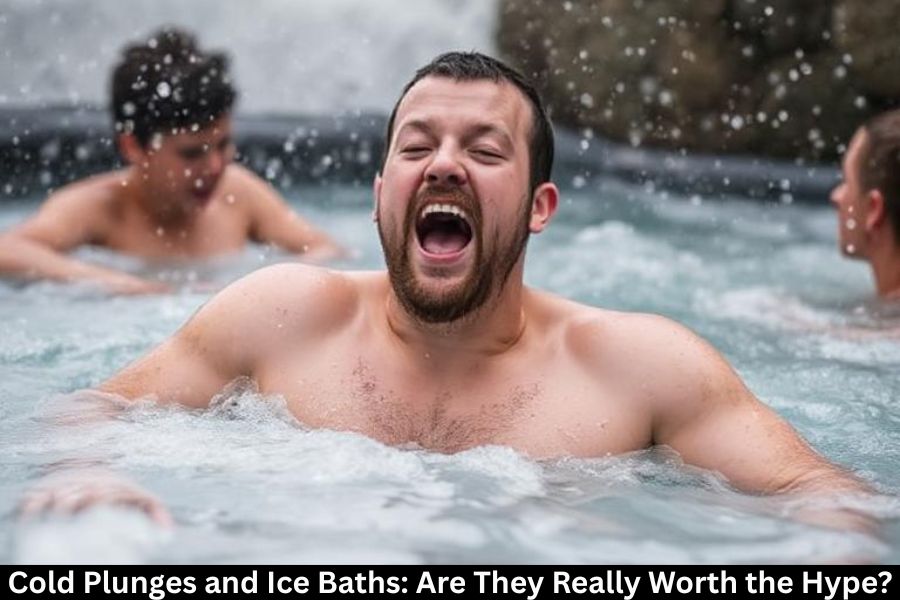
Cold plunges are everywhere. Social media influencers lowering themselves into tubs of ice. Athletes jumping into freezing water after games. CEOs talking about mental toughness routines at 5 a.m.
It sounds hardcore. It looks dramatic. But here’s the real question — is it actually worth it?
Let’s dive in. (Brace yourself — it’s cold.)
The Rise of Cold Therapy in Modern Wellness
Cold therapy isn’t new. But it’s definitely trending.
From Ancient Traditions to TikTok Trends
The Romans used cold baths. Scandinavian cultures embrace icy lake dips. Even ancient warriors used cold exposure for recovery.
Now? It’s on TikTok with millions of views. The practice hasn’t changed much — but the marketing sure has.
Why Athletes and CEOs Swear by It
Athletes use ice baths for recovery. Entrepreneurs use them for mental discipline. The appeal? Control discomfort, build resilience, sharpen focus.
It’s like strength training — but for your nervous system.
What Exactly Is a Cold Plunge or Ice Bath?
At its core, it’s simple: immersing your body in cold water.
Ideal Temperature and Duration
Most cold plunges range from 50°F to 59°F (10°C to 15°C). Ice baths can dip lower.
Duration? Typically 2–10 minutes.
Longer doesn’t mean better. This isn’t a survival contest.
Cold Showers vs. Ice Baths vs. Cryotherapy
Cold Showers
Accessible. Easy. Less intense.
Ice Baths
Full immersion. More dramatic response.
Cryotherapy
Short bursts of ultra-cold air. Expensive. Flashy.
Same idea — different intensity levels.
The Science Behind Cold Exposure
What actually happens when you step into freezing water?
How Your Body Reacts to Extreme Cold
Your heart rate spikes. Blood vessels constrict. Breathing quickens. Adrenaline surges.
It’s a stress response — but controlled stress.
And controlled stress can build adaptation.
The Role of Brown Fat and Metabolism
Cold exposure activates brown fat — a special type of fat that burns energy to generate heat.
It’s like turning on a tiny internal furnace.
But don’t expect miracles. The calorie burn isn’t massive.
Potential Benefits of Cold Plunges
Let’s talk about the big claims.
Muscle Recovery and Reduced Inflammation
Athletes use ice baths to reduce soreness after intense workouts.
Cold constricts blood vessels and may reduce inflammation. Many report less delayed onset muscle soreness (DOMS).
But research is mixed. It may help — but it’s not magic.
Mental Toughness and Stress Resilience
This might be the biggest benefit.
When you voluntarily step into discomfort, you train your brain to handle stress better.
It’s like telling your mind: “If I can handle this, I can handle anything.”
Dopamine Boost and Mood Enhancement
Cold exposure can increase dopamine levels significantly — sometimes up to 2–3x baseline temporarily.
That’s why many people feel energized and focused afterward.
Improved Circulation
Cold causes blood vessels to constrict, then dilate when you warm up. This may support circulation over time.
Think of it as a workout for your blood vessels.
Weight Loss and Metabolic Claims
Now for the bold claims.
Does Cold Exposure Burn More Calories?
Technically, yes. Your body works harder to maintain temperature.
But realistically? It’s not a weight-loss shortcut.
You won’t freeze your way to abs.
The Truth About Fat Burning
Cold exposure may activate brown fat, but diet and exercise still matter far more.
Cold plunges are a supplement — not a replacement.
Immune System and Longevity Claims
Some enthusiasts claim cold plunges boost immunity.
Can Cold Therapy Strengthen Immunity?
There’s some evidence suggesting regular cold showers may slightly reduce sick days.
But it’s not a shield against illness.
What Research Actually Says
Research is promising but limited. Benefits vary by person.
It’s not a miracle cure — it’s a tool.
The Risks and Downsides
Cold exposure isn’t for everyone.
Who Should Avoid Ice Baths?
- People with heart conditions
- Uncontrolled high blood pressure
- Circulatory disorders
Always consult a professional if unsure.
Potential Dangers of Overdoing It
Too long in freezing water can cause hypothermia. Shock response can be dangerous.
More isn’t better.
Cold Plunges for Mental Health
This is where things get interesting.
Anxiety, Depression, and Cold Exposure
Cold exposure activates the sympathetic nervous system — then trains recovery afterward.
Some people report reduced anxiety over time.
The Psychological Edge
Stepping into freezing water daily builds discipline. It creates a mental “win” before the day begins.
That confidence spills into other areas of life.
How to Start Cold Plunging Safely
Don’t jump straight into a frozen lake.
Beginner-Friendly Approach
Start with:
- 30 seconds of cold shower
- Gradually increase duration
- Focus on steady breathing
Build tolerance slowly.
Best Practices and Safety Tips
- Never plunge alone if you’re new
- Warm up naturally afterward
- Stop if you feel dizzy
Listen to your body.
Are Expensive Cold Plunge Tubs Worth It?
Some setups cost thousands.
DIY vs. High-End Systems
You can use a bathtub and ice. Or invest in temperature-controlled systems.
The benefits come from the cold — not the price tag.
Cost vs. Benefit Analysis
If it motivates consistency, maybe it’s worth it. But don’t assume expensive equals better results.
Cold Plunges vs. Hot Therapy
Heat has benefits too.
Sauna vs. Ice Bath
Saunas improve circulation and relaxation. Cold increases alertness and stress adaptation.
Both have value.
Contrast Therapy Explained
Alternating hot and cold may amplify circulation effects.
It’s like stretching and contracting a rubber band repeatedly.
Who Benefits the Most from Cold Exposure?
Athletes
For recovery and resilience.
Busy Professionals
For mental clarity and discipline.
Everyday Health Enthusiasts
For energy and personal challenge.
Conclusion
Are cold plunges worth the hype?
Yes — but not for the reasons you think.
They won’t magically burn fat. They won’t make you immortal. But they can build resilience, boost mood, and improve recovery when used wisely.
Cold plunges are like a stress vaccine. Small doses. Controlled exposure. Stronger response over time.
If you’re curious, try it safely. Start small. Stay consistent.
And remember — growth often begins where comfort ends.
FAQs
1. How long should beginners stay in a cold plunge?
Start with 30 seconds to 2 minutes. Increase gradually as tolerance builds.
2. How often should you take ice baths?
2–4 times per week is common. Daily plunges are optional but not required.
3. Do cold plunges help with anxiety?
Some people report improved stress resilience, but it’s not a substitute for professional treatment.
4. Is a cold shower as effective as an ice bath?
Cold showers provide benefits, though ice baths create a stronger physiological response.
5. Can cold plunges improve sleep?
Some individuals report better sleep due to nervous system regulation, but results vary.