Your immune system is like your body’s personal security team. It works around the clock, scanning for intruders and kicking out anything that doesn’t belong. But here’s the catch: even the best security team needs support. If you’re constantly tired, stressed, or eating poorly, your immune system feels it too. The good news? You can strengthen your immune system naturally with simple, everyday habits that actually stick.
Let’s break it all down in a practical, human way—no lab coats required.
Understanding Your Immune System
What Is the Immune System?
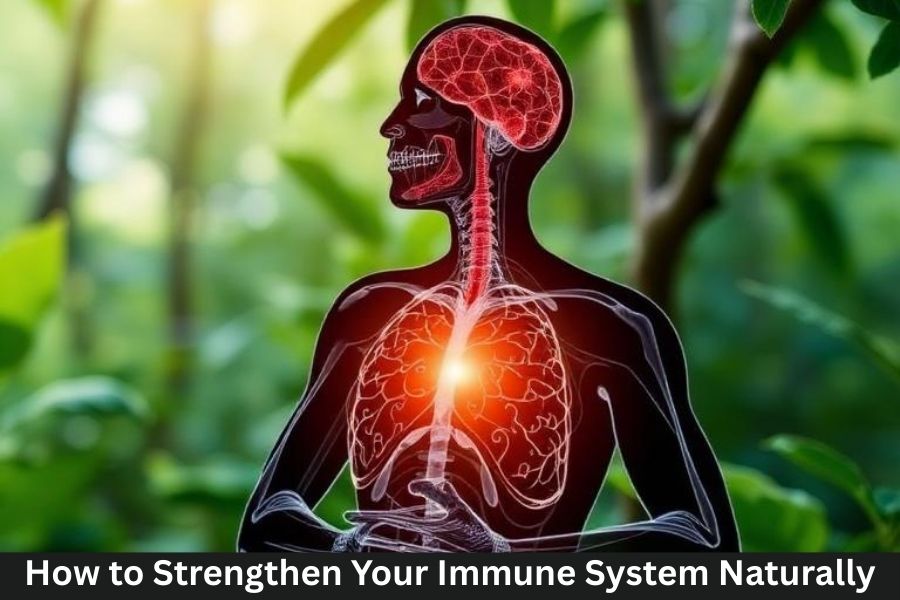
Think of your immune system as a highly intelligent defense network. It’s made up of cells, tissues, and organs that work together to protect your body from viruses, bacteria, and other harmful invaders. When it’s strong, you barely notice it. When it’s weak, you catch everything going around.
Why a Strong Immune System Matters
A healthy immune system doesn’t just help you avoid colds. It supports faster recovery, reduces inflammation, and even plays a role in long-term health. In short, it’s your body’s frontline defense—and it deserves attention.
Innate vs. Adaptive Immunity
Your innate immunity is what you’re born with. It’s fast but general. Adaptive immunity, on the other hand, learns over time. It remembers past infections and responds smarter next time. Supporting both is key to staying healthy.
Nutrition – The Foundation of Immunity
Essential Vitamins and Minerals
Vitamin C and Zinc
Vitamin C is like fuel for your immune cells. You’ll find it in citrus fruits, bell peppers, and strawberries. Zinc helps immune cells develop and function properly, and it’s found in nuts, seeds, and legumes.
Vitamin D and Iron
Vitamin D acts like an immune system regulator. Sunlight helps, but fatty fish and fortified foods are great too. Iron supports oxygen transport in the blood—without it, immune cells struggle.
Immune-Boosting Foods
Whole foods are your best friends. Think leafy greens, berries, garlic, ginger, yogurt, and nuts. These foods reduce inflammation and provide antioxidants that help your immune system work smarter, not harder.
Foods That Weaken Immunity
Highly processed foods, excess sugar, and trans fats are like kryptonite for your immune system. They increase inflammation and slow down immune responses. Enjoy them occasionally, not daily.
Hydration and Its Role in Immune Health
Why Water Is Critical
Water helps flush toxins, transport nutrients, and keep mucous membranes moist—your first line of defense against pathogens. If you’re dehydrated, your immune system is already playing catch-up.
Signs of Dehydration
Dry skin, fatigue, headaches, and dark urine are all warning signs. Sip water consistently throughout the day instead of chugging it all at once.
Sleep – Your Body’s Reset Button
How Sleep Impacts Immunity
Sleep is when your body repairs itself. During deep sleep, immune cells regenerate and inflammation decreases. Skimp on sleep, and your immune response weakens—simple as that.
Tips for Better Sleep Quality
Stick to a schedule, reduce screen time before bed, and keep your room cool and dark. Even an extra 30 minutes of quality sleep can make a difference.
Exercise and Physical Activity
How Movement Strengthens Immunity
Moderate exercise boosts circulation, allowing immune cells to move freely throughout your body. It’s like giving your immune system a daily tune-up.
Best Types of Exercise for Immune Health
Walking, cycling, yoga, swimming, and strength training all support immunity. The key is consistency, not intensity.
Avoiding Overtraining
Too much intense exercise without recovery can backfire. Listen to your body. Rest days aren’t lazy—they’re strategic.
Stress Management for a Stronger Immune System
How Stress Weakens Immunity
Chronic stress increases cortisol levels, which suppress immune function. Over time, this makes you more vulnerable to illness.
Natural Stress-Relief Techniques
Meditation, deep breathing, journaling, nature walks, and even laughter can reduce stress. Find what works for you and make it a habit.
The Power of Gut Health
Gut-Immune Connection
About 70% of your immune system lives in your gut. If your gut is unhappy, your immune system follows suit.
Probiotics and Prebiotics
Probiotics (like yogurt and fermented foods) add good bacteria. Prebiotics (like bananas and oats) feed them. Together, they create a healthy gut environment.
Herbs and Natural Supplements
Popular Immune-Boosting Herbs
Echinacea, elderberry, turmeric, and astragalus have long been used to support immune health. They’re not magic, but they can help when used correctly.
Safety and Moderation
Natural doesn’t mean unlimited. Use supplements responsibly and focus on food first.
Sunlight and Fresh Air
Vitamin D from Sun Exposure
Just 10–20 minutes of sunlight a day can support vitamin D production, which is essential for immune regulation.
Benefits of Outdoor Time
Fresh air reduces stress, improves mood, and supports overall well-being. Bonus points if you combine it with movement.
Hygiene and Lifestyle Habits
Clean Living Without Overdoing It
Good hygiene prevents infections, but over-sanitizing can weaken natural immune responses. Balance is everything.
Avoiding Toxins
Reduce exposure to cigarette smoke, excessive alcohol, and environmental pollutants whenever possible.
Building Consistency for Long-Term Immunity
Daily Habits That Add Up
Small choices—like choosing water over soda or walking instead of sitting—compound over time.
Creating an Immune-Friendly Routine
You don’t need perfection. Aim for progress. A routine you can stick to will always beat one you abandon.
Conclusion
Strengthening your immune system naturally isn’t about quick fixes or miracle supplements. It’s about daily habits that support your body’s natural defenses. Eat well, sleep enough, move regularly, manage stress, and stay consistent. Your immune system will thank you quietly—by keeping you healthy.
Frequently Asked Questions (FAQs)
1. How long does it take to improve immune health naturally?
You may notice small improvements within weeks, but long-term immunity builds over months of consistent habits.
2. Can supplements replace a healthy diet?
No. Supplements support, but whole foods provide the foundation your immune system needs.
3. Is exercise bad when you’re sick?
Light movement can help, but rest is more important during illness.
4. Does stress really affect immunity that much?
Absolutely. Chronic stress can significantly suppress immune responses.
5. Can children and older adults strengthen immunity naturally too?
Yes. Healthy food, sleep, and lifestyle habits benefit all ages.