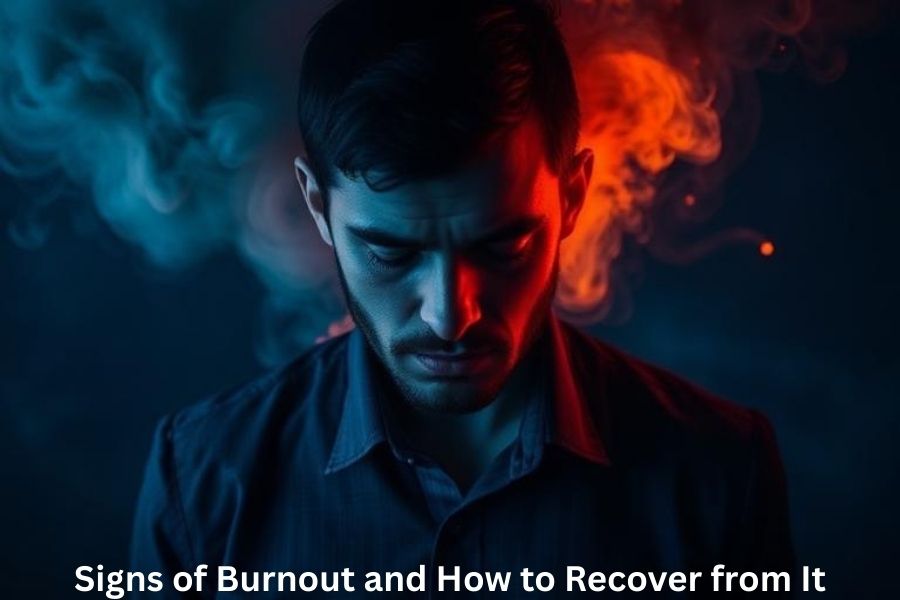
Burnout doesn’t happen overnight. It creeps in quietly, like a slow leak in a tire. At first, you can still function. Then one day, everything feels heavy, exhausting, and pointless—and you can’t quite explain why.
What Is Burnout?
Burnout is a state of chronic physical, emotional, and mental exhaustion caused by prolonged stress. It’s not just being tired. It’s feeling drained at a soul level, where even rest doesn’t seem to help.
Why Burnout Is So Common Today
Always-on culture, constant notifications, blurred work-life boundaries, and pressure to “do more” have made burnout almost a modern epidemic. We’re running marathons at sprint speed—and wondering why we collapse.
Understanding the Difference Between Stress and Burnout
Short-Term Stress vs Long-Term Burnout
Stress says, “I have too much to do.”
Burnout says, “I don’t care anymore.”
Stress is temporary and often motivating. Burnout is chronic and numbing.
Why Burnout Doesn’t Go Away on Its Own
Unlike stress, burnout requires intentional recovery. Ignoring it only deepens the exhaustion and emotional detachment.
Early Warning Signs of Burnout
Constant Fatigue
You wake up tired. Coffee barely helps. Weekends don’t recharge you.
Emotional vs Physical Exhaustion
Physical exhaustion affects your body. Emotional exhaustion drains your enthusiasm, empathy, and patience.
Loss of Motivation
Tasks you once enjoyed now feel unbearable.
When Passion Turns Into Pressure
Burnout often hits high-achievers hardest—the ones who care deeply and give relentlessly.
Emotional Signs of Burnout
Irritability and Mood Swings
Small inconveniences feel overwhelming. Your emotional fuse becomes dangerously short.
Feeling Hopeless or Detached
You start disconnecting—from people, goals, and even yourself.
Emotional Numbness Explained
Numbness is your nervous system’s way of protecting you when emotions feel too intense.
Mental and Cognitive Signs of Burnout
Brain Fog and Poor Concentration
Your mind feels cloudy. Simple decisions feel exhausting.
Negative Self-Talk
Burnout amplifies self-criticism.
The Inner Critic Gets Louder
You start blaming yourself for struggling instead of recognizing the overload.
Physical Signs of Burnout
Frequent Headaches and Body Pain
Stress doesn’t just live in the mind—it settles into muscles, joints, and the gut.
Sleep Problems
You’re exhausted but can’t sleep—or sleep endlessly and still feel drained.
Why Rest Doesn’t Feel Restorative
Burnout disrupts the nervous system, making true rest difficult without deeper recovery.
Behavioral Signs of Burnout
Procrastination and Withdrawal
You delay tasks and avoid social interactions—not out of laziness, but depletion.
Increased Reliance on Caffeine, Sugar, or Alcohol
Quick fixes become coping mechanisms, often worsening the cycle.
Common Causes of Burnout
Work-Related Burnout
Heavy workloads, lack of control, poor boundaries, and constant pressure are major contributors.
Caregiver and Emotional Burnout
Caring for others without adequate support drains emotional reserves fast.
Lifestyle and Digital Burnout
Overstimulation, screen overload, and lack of downtime quietly fuel burnout.
How Burnout Affects Your Life
Impact on Relationships
Burnout reduces patience and emotional availability, straining personal connections.
Impact on Physical and Mental Health
Left unchecked, burnout increases risk of anxiety, depression, heart disease, and immune issues.
How to Recover from Burnout
Step One – Acknowledge the Burnout
Recovery begins with honesty. You’re not weak—you’re overwhelmed.
Step Two – Rest Without Guilt
Rest is not a reward. It’s a requirement.
Redefining Productivity
Sometimes the most productive thing you can do is stop.
Step Three – Set Boundaries
Protect your energy like it’s a limited resource—because it is.
Learning to Say No
Every “yes” costs energy. Spend it wisely.
Daily Habits That Support Recovery
Rebuilding Energy Slowly
Burnout recovery isn’t a sprint. Start with small, sustainable changes.
Creating Mental White Space
Silence, nature, and boredom help reset an overstimulated brain.
Emotional Recovery Strategies
Talking It Out
Burnout thrives in isolation. Share your experience with someone you trust.
Journaling and Reflection
Writing helps process emotions and track recovery progress.
When to Seek Professional Help
Therapy and Counseling
A therapist can help unpack stress patterns and build healthier coping strategies.
Medical Support if Needed
Persistent fatigue or mood changes should be medically evaluated.
Preventing Burnout in the Future
Sustainable Work and Life Habits
Balance isn’t perfect—it’s intentional. Build systems that support rest.
Checking In With Yourself Regularly
Ask often: How am I really doing? Then listen.
Conclusion
Burnout Is a Signal, Not a Failure
Burnout isn’t proof that you’re broken. It’s proof that something in your life needs to change. When you listen to the signal instead of fighting it, recovery becomes possible—and so does a healthier, more sustainable way of living.
Frequently Asked Questions
1. How long does it take to recover from burnout?
Recovery can take weeks to months, depending on severity and support.
2. Can burnout happen even if I love my job?
Yes. Passion without boundaries often leads to burnout.
3. Is burnout the same as depression?
No, but they can overlap. Professional evaluation helps clarify.
4. Should I take time off work to recover?
If possible, yes. Even short breaks can help reset your system.
5. Can burnout come back?
Yes, if underlying causes aren’t addressed. Prevention is key.